Understanding Identity and Protected Characteristics in Safeguarding Adults Enquiries – new guidance
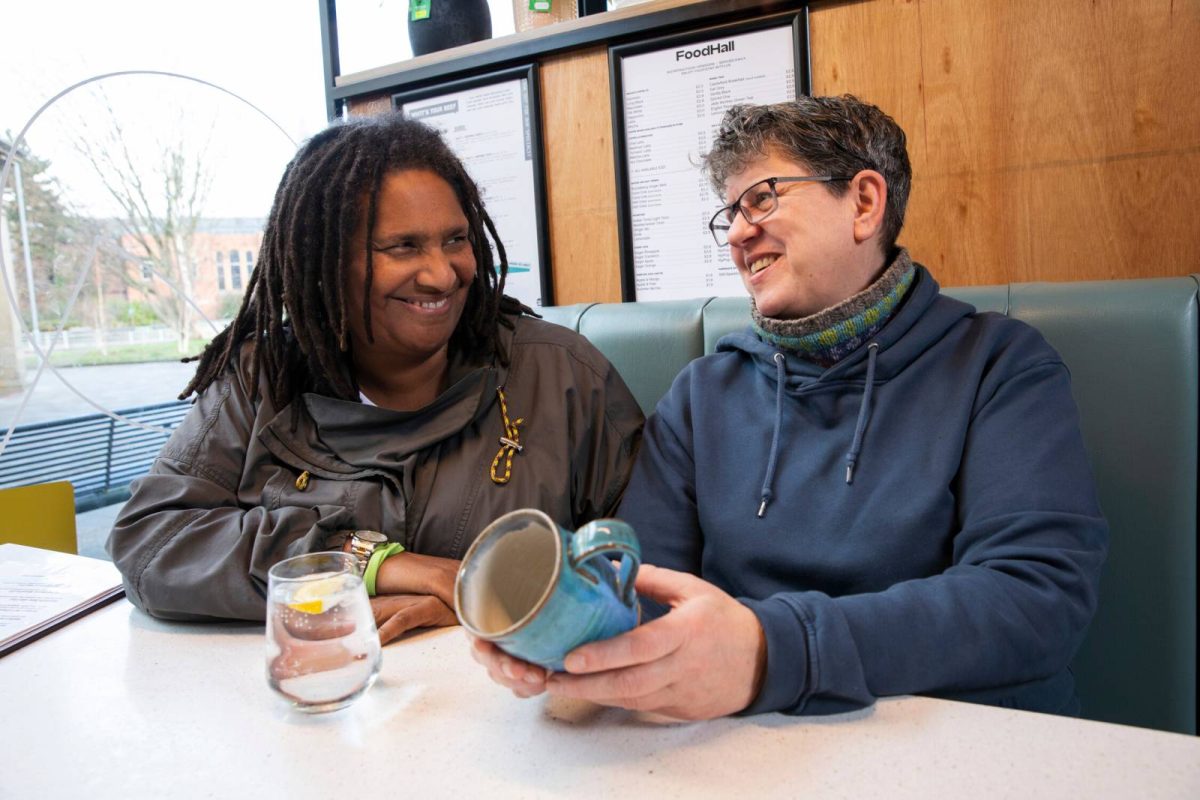
The Newcastle Safeguarding Adults Board (NSAB) has published new guidance to help practitioners recognise and respond to the ways in which a person’s identity, background and lived experiences can influence their experience of abuse or neglect.
Professional Curiosity: Understanding Identity and Protected Characteristics in Safeguarding Adult Enquiries is a short, practical guide designed for anyone involved in safeguarding adults enquiries and multi-agency safeguarding work.
Understanding someone’s identity is an important part of person-centred safeguarding. Factors such as disability, ethnicity, religion, sexual orientation, gender identity, communication needs and experiences of discrimination can influence how people experience harm, access support and feel able to speak about their concerns.
The guidance encourages practitioners to:
The guidance reinforces the importance of professional curiosity, cultural humility and Making Safeguarding Personal, helping practitioners move beyond simply collecting information to understanding how a person’s circumstances may affect their safeguarding needs.
NSAB encourages practitioners, managers and safeguarding leads across partner organisations to familiarise themselves with the guidance, share it within their teams and use it to support reflective discussions and everyday safeguarding practice.
“You cannot fully understand risk, safety or desired outcomes without understanding who the person is.
Ask respectfully. Explain why. Listen without assumptions. Record accurately.”